
How Side Gusset Bags Can Improve Packaging Efficiency for Growing Brands
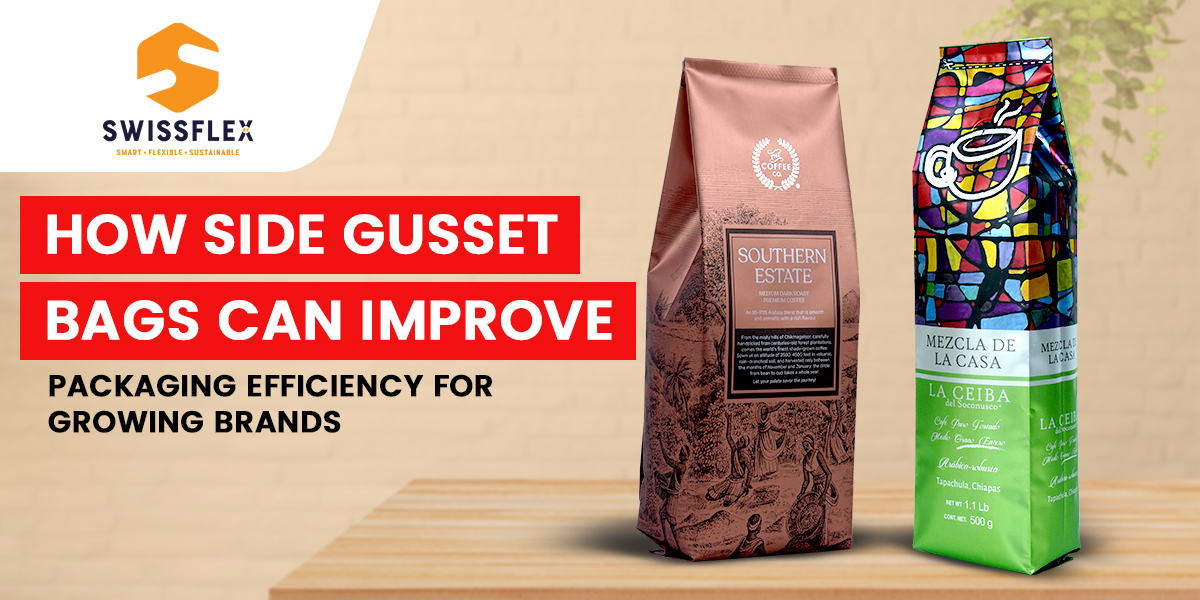
As product volumes increase, packaging needs to work efficiently at every stage, from filling and storage to transportation and retail presentation. Side gusset bags offer a practical structure for brands that need additional capacity without moving to unnecessarily bulky packaging.
The expandable side panels create more usable volume while allowing the bag to maintain a relatively compact shape when filled. This makes the format useful for food, coffee, pet food, agricultural products and other dry goods.
Making Better Use of Packaging Space
Packaging efficiency starts with using the right amount of material and space for the product. A side gusset structure allows the package to expand according to the product volume, which can provide useful capacity without simply increasing the width of the package.
Efficient packaging is not about using the smallest possible bag. It is about matching the package dimensions and material structure to the actual product requirements.
PACKAGING FACT
Product density, fill weight and required headspace all influence the final bag dimensions.
For brands developing Efficient Flexible Packaging, these factors should be considered before finalising the packaging specification.
Better Storage and Handling
The finished shape of a side gusset bag can also influence how products are stored and handled. A properly designed package can make better use of available warehouse and transport space while maintaining a practical shape after filling.
The exact result depends on the product, bag dimensions and filling process. Testing the filled package is therefore useful before moving to larger production quantities.
Packaging Efficiency During Production
Packaging efficiency also involves the filling and sealing process. Bag dimensions need to work with the equipment being used, particularly when production is automated.
A well matched bag can help maintain consistent filling and sealing, while an unsuitable specification may lead to handling or production issues.
Brands ordering Custom Side Gusset Bags should therefore consider the complete packaging process rather than looking only at the finished bag.
Material Efficiency and Sustainability
Using packaging efficiently can also support sustainability goals. The objective is to avoid unnecessary material while still providing sufficient protection, strength and shelf life for the product.
However, reducing material should not compromise packaging performance. The most efficient structure is one that provides the required protection with an appropriate amount of material.
For businesses reviewing their packaging, Sustainable Flexible Packaging can be considered alongside product protection, recyclability and market requirements.
Designed for the Product
There is no universal side gusset bag specification. A package for coffee may require a different material structure and dimensions from one designed for pet food, grains or powdered products.
Product density, barrier requirements, filling method, expected shelf life and transportation conditions should all be considered when developing the final structure.
KEY FACT
Packaging efficiency comes from designing around the product, not simply selecting a standard bag size.
Final Thoughts
Side gusset bags can help growing brands balance capacity, material use, production requirements and product presentation. When the dimensions, material structure and filling process are properly matched, the packaging can perform efficiently throughout the supply chain.
For businesses looking to improve their packaging format, exploring Flexible Packaging Solutions with an experienced manufacturer can help identify a structure that supports both current requirements and future production needs